
Cost of Setting Up a Milk Processing Plant in Kenya (2026 Guide)
Kenya’s dairy industry remains one of the most promising sectors for investment, driven by strong consumer demand for processed milk and dairy products such as yoghurt, cheese, and butter. As more entrepreneurs and cooperatives shift from selling raw milk to value addition, the idea of setting up a milk processing plant has become increasingly attractive.
At ASL Engineering, we work with clients at different stages of their investment journey, and one common question stands out: what does it really take to set up a milk processing plant in Kenya
This guide provides a practical breakdown of what to consider, helping you plan effectively and avoid costly mistakes
Understanding What a Milk Processing Plant Involves
A milk processing plant is more than just a collection of machines. It is a complete system designed to handle milk from reception to final packaging while maintaining hygiene, quality, and efficiency
The process typically includes milk reception, filtration, pasteurization, cooling, storage, and packaging. Depending on your business goals, the plant may also include systems for producing yoghurt, cheese, and other value-added products
Modern plants are designed to improve efficiency, reduce human error, and ensure compliance with food safety standards through automation and controlled processes
Start with a Clear Production Plan
Before thinking about equipment or space, define your production goals
How many litres of milk do you plan to process daily
Are you targeting raw milk sales, packaged milk, or value-added products
Will you supply local markets, institutions, or large distributors
Your answers will determine the size of your plant, the level of automation required, and the type of equipment needed
One of the most common mistakes is setting up a plant without aligning capacity with market demand. Oversizing increases operational complexity, while undersizing limits growth potential
Choosing the Right Equipment
Equipment is the backbone of any milk processing plant. However, it is not just about buying machines, it is about selecting the right system that works seamlessly together
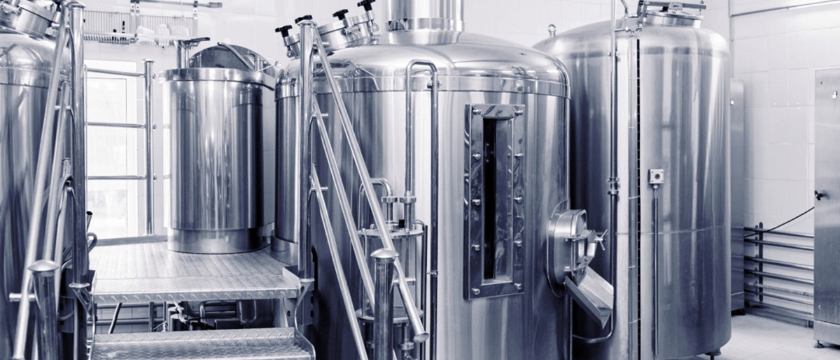
A typical milk processing setup includes pasteurizers, cooling tanks, storage tanks, homogenizers, and packaging machines. These components are essential for maintaining milk quality and enabling value addition
Pasteurization is particularly critical because it ensures milk safety and extends shelf life. Cooling systems are equally important as they prevent bacterial growth and maintain product freshness
The level of automation you choose will affect efficiency and long-term performance. Automated systems reduce labor requirements and improve consistency, while manual systems may be suitable for smaller operations but require more supervision
When selecting equipment, focus on durability, hygiene standards, and after-sales support. High-quality stainless steel systems are preferred because they are easy to clean, corrosion-resistant, and compliant with food safety regulations
Infrastructure and Facility Planning
The physical setup of your plant plays a major role in operational success
A well-designed facility should include separate areas for milk reception, processing, storage, and packaging. Proper workflow design reduces contamination risks and improves efficiency
You also need to consider utilities such as water supply, electricity, drainage, and waste management systems. Dairy processing requires consistent water availability and reliable power to run equipment efficiently
Flooring, ventilation, and sanitation systems must meet regulatory standards. Poor infrastructure planning can lead to compliance issues and increased maintenance costs
Regulatory Requirements in Kenya
Setting up a milk processing plant requires compliance with several regulatory bodies
You will need approvals from authorities such as the Kenya Dairy Board, public health departments, and county government offices. These regulations ensure that your plant meets hygiene, safety, and operational standards
Licensing, inspections, and certification are part of the process, and it is important to plan for them early to avoid delays
Working with an experienced engineering partner can simplify this process by ensuring your plant is designed according to required standards from the beginning
Operational Considerations
Beyond setup, it is important to understand how your plant will run on a daily basis
You will need skilled personnel to operate and maintain the equipment. This includes technicians, machine operators, and quality control staff
Raw milk sourcing is another critical factor. A consistent and reliable supply of high-quality milk is essential for smooth operations. Poor-quality milk affects final product quality and can lead to losses
Packaging and distribution should also be planned in advance. Whether you are supplying local shops, supermarkets, or institutions, your packaging system must meet market expectations
Maintenance is often overlooked but plays a key role in long-term success. Regular servicing of equipment helps prevent breakdowns and ensures consistent production
Factors That Influence Investment Decisions
Several factors influence how complex or simple your setup will be
Production capacity is one of the main drivers. Larger plants require more advanced systems and infrastructure, while smaller plants can operate with simpler setups
The level of automation also plays a major role. Fully automated plants offer higher efficiency and scalability, while semi-automated systems are more suitable for startups
Product range is another important consideration. If you plan to produce multiple products such as yoghurt and cheese, you will need additional equipment and processing lines
Location also affects your setup. Proximity to milk sources, markets, and transport networks can significantly impact operational efficiency
Avoiding Common Mistakes
Many dairy investments fail not because of lack of demand, but because of poor planning
One common mistake is focusing only on initial setup without considering long-term operations. A plant must be designed for sustainability, not just installation
Another mistake is choosing equipment based on price rather than quality. Low-quality systems often lead to frequent breakdowns, contamination risks, and higher maintenance costs
Ignoring workflow design is another issue. Poor layout leads to inefficiencies, increased labor, and hygiene challenges
It is also important to avoid underestimating the importance of technical support. Working with a reliable engineering partner ensures you have guidance during and after installation
The Role of Engineering Expertise
Setting up a milk processing plant is not just about buying equipment, it is about building an integrated system that works efficiently from start to finish
At ASL Engineering, we focus on delivering complete solutions tailored to your needs
This includes plant design, fabrication of high-quality stainless steel equipment, installation, and technical support. Our approach ensures that every component of your plant works together seamlessly
We also help clients align their investment with their production goals, ensuring scalability and long-term performance
Final Thoughts
Setting up a milk processing plant in Kenya is a strategic investment that requires careful planning, the right equipment, and a clear understanding of your market
While many focus on cost alone, the real success of a dairy plant lies in how well it is designed, built, and managed
By focusing on quality, efficiency, and proper planning, you can build a plant that not only meets current demand but also supports future growth
If you are considering entering the dairy processing industry, the best approach is to start with the right guidance and a well-structured plan
ASL Engineering is ready to support you from concept to completion, helping you turn your dairy investment into a successful and sustainable operation
Leave a Comment