
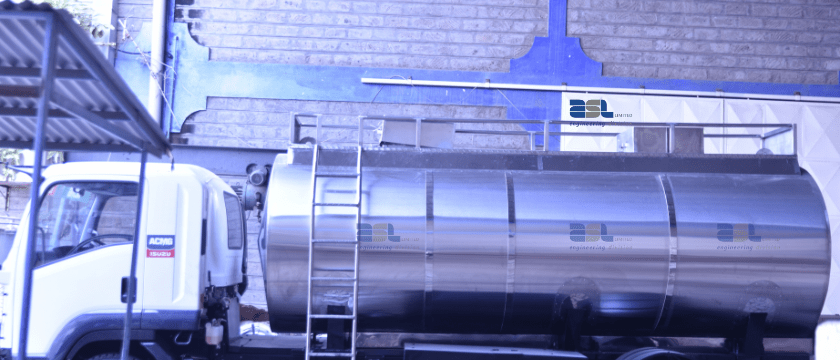
Types of Tankers Explained: Milk, Water, Fuel & Chemical
Tankers are an essential part of modern transport and industrial operations, enabling the safe and efficient movement of liquids across different sectors. From agriculture and construction to energy and manufacturing, businesses rely on specialized tankers to move large volumes of liquids without compromising quality or safety.
Although tankers may appear similar externally, each type is engineered differently based on the nature of the liquid it carries. Understanding these differences is critical when selecting the right tanker for your operations.
At ASL Engineering, we design and fabricate tankers tailored to specific industries, ensuring performance, durability, and compliance with required standards.
Understanding Tanker Design
A tanker is a specialized container or vehicle built to transport liquids in bulk. The design of a tanker depends on several factors including the type of liquid, safety requirements, temperature sensitivity, and regulatory standards.
Different liquids behave differently during transport. Some require strict hygiene, others demand temperature control, while some require advanced safety systems due to their hazardous nature. This is why tanker design varies significantly across industries.
Milk Tankers
Milk tankers are designed for transporting food-grade liquids, making hygiene the top priority. They are commonly used to transport raw milk from farms to processing facilities or finished dairy products to distribution points.
These tankers are typically constructed using high-quality stainless steel to prevent contamination and ensure easy cleaning. The interior surfaces are smooth and polished to avoid residue buildup and bacterial growth.
Temperature control is a key feature of milk tankers. Since milk is highly perishable, these tankers are often insulated to maintain freshness during transportation. Maintaining consistent temperature conditions helps preserve quality and extend shelf life.
Milk tankers are widely used by dairy cooperatives, processors, and large-scale farms. Their design ensures that the milk reaches its destination in optimal condition without compromising safety or quality.
Water Tankers
Water tankers are among the most versatile tanker types and are used across multiple industries. They are designed to transport both potable and non-potable water for applications such as construction, agriculture, municipal supply, and emergency services.
Unlike milk tankers, water tankers are built with a focus on capacity and durability. They are often equipped with internal baffles that help control the movement of water during transit. This improves stability and reduces the risk of imbalance while the vehicle is in motion.
Water tankers may also include pumping systems for easy filling and discharge. Their adaptability makes them suitable for a wide range of uses, from supplying water to remote areas to supporting construction projects.
The materials used in water tanker fabrication are selected based on the intended use, ensuring strength, longevity, and resistance to environmental conditions.
Fuel Tankers
Fuel tankers are specifically designed to transport flammable liquids such as petrol, diesel, and other petroleum products. Due to the hazardous nature of these substances, safety is the primary focus in their design.
These tankers are typically divided into multiple compartments, allowing them to carry different types of fuel simultaneously. This design increases efficiency and enables distribution to multiple locations in a single trip.
Fuel tankers are equipped with advanced safety features including pressure control systems, emergency shut-off valves, and anti-static components. These features are essential for minimizing the risk of fire or explosion during transportation.
The construction of fuel tankers requires precision and adherence to strict safety standards. Even minor design flaws can pose serious risks, making quality fabrication a critical factor.
Chemical Tankers
Chemical tankers are among the most specialized tanker types and are designed to transport industrial chemicals that may be corrosive, toxic, or reactive.
These tankers are constructed using materials that can withstand chemical reactions, often involving stainless steel or specially coated interiors. The design ensures that the chemical being transported does not react with the tanker material or contaminate other substances.
Some chemicals require temperature control or pressure regulation, which means chemical tankers may include advanced systems to maintain stable conditions during transport.
These tankers are often divided into separate compartments, allowing different chemicals to be transported safely without mixing. Each compartment may have its own loading and discharge system to ensure controlled handling.
Due to the risks involved, chemical tankers must meet strict safety and regulatory requirements. Proper design and fabrication are essential to prevent leaks, contamination, and accidents.
Key Differences Between Tanker Types
Each tanker type is built with a specific purpose in mind, and the differences are mainly based on hygiene, safety, and material compatibility.
Milk tankers are designed for cleanliness and temperature control to preserve food quality. Water tankers focus on volume, durability, and stability. Fuel tankers prioritize safety and compartmentalization to handle flammable liquids. Chemical tankers require advanced materials and systems to manage hazardous substances.
Choosing the wrong tanker can lead to contamination, safety hazards, or operational inefficiencies. Understanding these differences helps businesses make better investment decisions.
Choosing the Right Tanker for Your Business
Selecting the right tanker depends on the type of liquid you intend to transport and the conditions under which it will be handled.
Capacity requirements should align with your operational needs. Larger volumes may require more advanced designs, while smaller operations can function effectively with simpler configurations.
Safety and compliance are critical, especially for fuel and chemical transport. It is important to ensure that the tanker meets all required standards and regulations.
Durability and maintenance should also be considered. A well-fabricated tanker reduces downtime and ensures consistent performance over time.
Working with an experienced engineering partner helps ensure that your tanker is designed to meet your specific requirements while maintaining efficiency and reliability.
The Importance of Quality Fabrication
The performance and lifespan of a tanker depend heavily on the quality of its fabrication. High-quality materials, precision engineering, and proper finishing are essential for ensuring durability and safety.
Stainless steel is widely used in tanker fabrication due to its strength, corrosion resistance, and suitability for hygienic applications. Proper welding and structural design are equally important in preventing leaks and maintaining structural integrity.
At ASL Engineering, we focus on delivering tankers that are built to perform under demanding conditions while meeting industry standards.
Final Thoughts
Tankers are a critical component of many industries, supporting the movement of essential liquids safely and efficiently. While they may appear similar, each type is uniquely designed to handle specific requirements.
Understanding the differences between milk, water, fuel, and chemical tankers allows businesses to choose the right solution for their operations.
Investing in the right tanker is not just about transportation, it is about ensuring safety, maintaining product quality, and achieving long-term efficiency.
ASL Engineering provides customized tanker solutions designed to meet the needs of different industries, helping businesses operate with confidence and reliability
Leave a Comment