
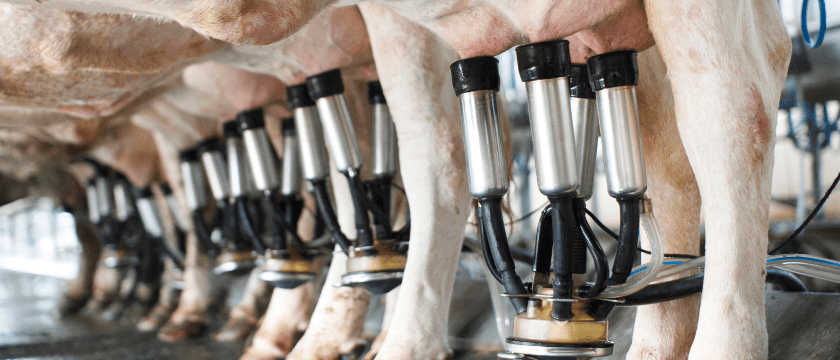
How Automation is Transforming Dairy Farming in Kenya
In recent years, dairy farming in Kenya has begun to shift from traditional, manual methods to technology‑enabled systems. This transformation is driven by the need to improve efficiency, increase productivity, reduce losses, and meet the growing demand for milk and dairy products. Automation and digital tools are playing an increasingly important role in making these goals achievable, especially for farms that are ready to adopt modern practices.
Automation in dairy farming brings precision, data‑driven decision making, and operational improvements that were once only available to large commercial farms. Today, small and medium‑scale producers in Kenya are beginning to benefit from this technological shift, and the pace of change is likely to accelerate.
Why Automation Matters in Dairy Farming
Kenya’s dairy sector is a significant contributor to the economy, involving millions of smallholder farmers and contributing a sizeable portion of agricultural output. However, the industry has struggled with inefficiencies such as low milk yields, inconsistent quality, high labour costs, and limited access to reliable data for decision making.
Automation addresses many of these challenges by enabling farmers to monitor and manage their herds and operations in real time. Instead of relying on manual record‑keeping and guesswork, farmers can now leverage tools that collect data consistently and help them make informed decisions about feeding, breeding, health care, and milk production.
One clear example of this shift is the adoption of mobile farm management applications that allow farmers to track milk production, animal health, and breeding schedules with ease. These tools provide real‑time data that helps farmers identify trends, detect issues early, and respond before small problems escalate into costly losses. Reports from Kenya show that farmers who use digital tools often experience better herd management and improved productivity compared to those who do not.
Digital Farm Management Tools
Modern farm management systems are accessible through smartphones or even basic mobile devices. These applications offer features such as milk yield recording, health alerts, breeding reminders, and financial tracking. By centralizing these functions, farmers can reduce time spent on paperwork and focus more on proactive management.
Real‑time monitoring also helps farmers spot health issues early. For example, automated herd tracking can alert farmers to changes in cow activity or temperature, which may be early signs of mastitis or other illnesses. Early intervention improves animal welfare and reduces production losses.
For farmers without access to smartphones, some solutions offer SMS‑based interfaces or support in local languages to ensure inclusion and usability across rural communities.
Precision Livestock Technologies
Beyond data recording, precision livestock technology includes sensors and wearable devices that continuously monitor important indicators like body temperature, movement, and rumination. These sensors help in early disease detection, heat detection for optimal breeding, and tracking general animal well‑being.
By automating these monitoring functions, farmers can make faster and more accurate decisions about animal care, often before visible symptoms appear. This improves overall herd health, milk output, and reproductive performance.
Artificial insemination services paired with digital tracking tools are also gaining traction. These services help farmers plan breeding more effectively, improve herd genetics, and increase milk yields over time.
Automated Cooling and Solar‑Powered Systems
Milk spoilage has historically been a major challenge in Kenya due to unreliable cold chain infrastructure. Without proper cooling, milk quality declines rapidly in Kenya’s warm climate. To address this, some dairy communities are adopting automated and solar‑powered cooling solutions that help preserve milk quality on‑farm and during transport.
Automated cooling systems bring milk to the required temperature quickly after milking and maintain it until collection or processing. This reduces the risk of spoilage and improves product quality, which is essential for both fresh milk markets and value‑added dairy processing.
Enhancing Market Access and Payments
Technology is also transforming how dairy farmers interact with markets and buyers. Digital platforms give farmers direct access to market information, better pricing, and faster payment options through mobile money solutions. This reduces reliance on intermediaries, shortens payment cycles, and improves cash flow for producers.
Automation in this area goes beyond farm gates, creating greater transparency in the dairy value chain and giving farmers greater control over their production and revenue.
Challenges to Adoption
Despite the benefits, automation adoption in Kenya’s dairy sector faces some challenges. The cost of devices and software, limited internet connectivity in rural areas, and low levels of digital literacy are common barriers. Many farmers need training and support to use these tools effectively. Without reliable electricity or connectivity, some technologies remain out of reach for smallholder operations.
Infrastructure improvements, local capacity building, and tailored solutions designed for Kenyan conditions are critical to increasing adoption. Solutions that can operate offline or with minimal connectivity are especially important in remote areas.
The Future of Dairy Farming in Kenya
Automation is gradually reshaping the dairy sector in Kenya. Farms that embrace digital tools, sensor technology, and automated systems are already seeing improvements in productivity, efficiency, and profitability. These technologies enable better decision‑making, improved animal health, reduced losses, and stronger connections to markets.
As more farmers adopt automation, the collective impact on the industry will grow. Data‑driven farming will become the norm, supporting not only improved yields but also sustainable practices that make dairy farming more resilient and competitive.
Automation is not a replacement for the farmer, but rather a powerful set of tools that enhances human expertise, reduces manual workload, and increases overall farm performance.
How ASL Engineering Supports Dairy Automation
At ASL Engineering, we understand the role technology plays in transforming dairy operations. We help farmers and dairy businesses integrate modern systems that support better management, improved milk quality, and scalable growth.
From automated cooling and storage solutions to systems that support real‑time monitoring and precision livestock management, our engineering expertise is designed to help dairy farmers in Kenya embrace innovation and maximize the value of their investments.
Improving dairy farming in Kenya is not just about adopting technology — it’s about applying the right tools in a way that aligns with your goals, resources, and operational realities.
Leave a Comment