
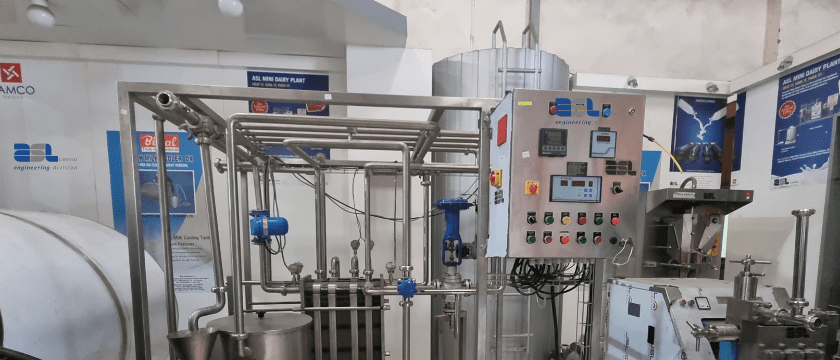
Milk Processing Plant in Kenya
Milk processing plants play a vital role in Kenya’s dairy industry, turning raw milk into safe, high‑quality products that meet market demand. Kenya’s dairy sector is one of the most developed in sub‑Saharan Africa, with production driven largely by smallholder farmers. Most milk produced in the country is handled through informal channels, but there is increasing investment in formal processing and value addition. This creates opportunities for businesses, cooperatives, and investors to expand milk processing capacity and boost returns throughout the dairy value chain.
Why Milk Processing Matters
Milk processing adds value to raw milk and expands market opportunities. When milk is processed into products such as pasteurised milk, yoghurt, cheese, butter, and others, it can be sold to a wider segment of consumers and supplied into retail and institutional markets. Processing also helps improve food safety, increase shelf life, and reduce waste that often results from spoilage. Improving processing capacity supports income growth for farmers because processed products usually command higher prices and access more structured distribution channels.
In Kenya, dairy cooperatives have been instrumental in collecting milk from small farmers and connecting them to processing facilities. Cooperatives often operate bulk cooling centers and processing lines, helping smallholders access better markets and securing more stable payment terms. A formal processing facility also creates opportunities for decentralized mini processing plants that serve local communities and reduce transport losses.
Industry Context and Market Dynamics
Kenya produces billions of litres of milk annually, with an estimated majority supplied by smallholder farms. While the informal market still dominates the sale of raw milk, the share of milk flowing into formal processing plants continues to grow as consumer demand for packaged and branded dairy products increases. Urbanization, rising incomes, and greater awareness of food safety are driving this shift toward processed dairy goods.
The dual structure of the sector means that formal processing plants handle a smaller portion of total milk production compared to informal sales. Developing more processing capacity helps formalize more of the dairy value chain, improve traceability, enhance quality control, and enable broader distribution of safe dairy products.
Core Functions of a Milk Processing Plant
A milk processing plant is more than a set of machines. It is a system designed to receive, handle, process, and package milk in a way that meets hygiene and safety standards. Key functional areas in a processing plant include:
- Milk Reception and Testing: Milk is tested for quality, weighed, and documented before processing begins. Quality checks are essential to ensure safety and consistency.
- Cooling and Storage: Rapid cooling slows bacterial growth and helps preserve milk quality prior to processing. Storage systems maintain temperature until processing or packaging.
- Processing Lines: These include pasteurisation systems that make milk safe for consumption and other units that produce yoghurt, cheese, butter, and related products.
- Packaging: Packaging systems fill, seal, and label products in formats suitable for retail and bulk distribution.
- Hygiene and Sanitation: Dedicated cleaning systems ensure plant equipment and surfaces are maintained to food‑grade standards, reducing contamination risk.
Each area must be designed and engineered to ensure efficient workflow, maintain hygiene, and minimize product loss.
Regulatory Requirements and Compliance
Milk processing plants in Kenya operate within a regulatory framework aimed at protecting public health and maintaining quality standards. Processors must comply with milk safety and dairy produce regulations that define how milk should be handled, processed, packaged, and sold.
Standards require processing facilities to have separate designated areas for milk reception, handling, processing, packaging, and waste management. These requirements also include provisions for sanitation, clean water access, and proper drainage systems to protect product integrity.
Compliance with regulatory standards is essential not only for market access but also for brand credibility. Processors with well‑designed plants that uphold quality and safety are more likely to succeed in formal markets.
Growth Opportunities in Kenya
The demand for processed milk and value‑added dairy products is rising in Kenya. Urban consumers increasingly seek packaged products that are convenient and consistent in quality. Processed products such as yoghurt and cheese appeal to a range of markets including retail, hospitality, and institutions.
There are also opportunities for mini or medium‑scale processing plants that serve local clusters of dairy producers and reduce dependency on distant facilities. These smaller plants help improve farmer incomes, reduce transport costs, and support rural economic growth.
Export potential to neighbouring East African countries and beyond presents additional opportunities for processors that can produce high‑quality goods competitively.
Challenges to Scaling Milk Processing
Despite the strong opportunities, processors must navigate several challenges. The informal market still accounts for a large share of milk sales, meaning processors must work to attract supply from farmers and offer better value than raw milk buyers.
Seasonal variations in milk production can strain processing capacity and storage systems, creating periods of oversupply or shortages that affect plant utilization. Ensuring consistent supply requires strong relationships with farmer groups and investment in cooling infrastructure near production areas.
Processing plants also face operational challenges such as maintaining quality control, meeting compliance requirements, and managing logistics. Efficient engineering design and automation help reduce these challenges by supporting clean workflows, energy efficiency, and reliable production outputs.
The Role of Engineering in Milk Processing
Engineering excellence is fundamental to the success of any milk processing plant. Good design starts with understanding production requirements, expected capacity, product types, and compliance standards.
Well engineered facilities optimise workflow by separating areas for reception, processing, and packaging. They ensure that equipment is easy to clean, durable, and suitable for the intended product range. Engineering considerations also include energy efficiency, water usage, waste management, and space planning.
When plants are designed with engineering precision, they operate more reliably, support consistent product quality, and often require lower maintenance costs over time. Such facilities are better positioned to expand operations, integrate automation, and adopt advanced technologies in the future.
Final Thoughts
Milk processing plants are essential infrastructure for transforming Kenya’s dairy potential into high‑value products that meet consumer expectations and regulatory standards. With growing demand for processed dairy goods, investments in professionally designed and engineered facilities offer economic and community benefits.
For dairy cooperatives, businesses, and investors exploring opportunities in milk processing, focusing on quality, compliance, and efficient operations is key to long‑term success. Partnering with experienced engineering providers ensures that plants are built to perform, comply with standards, and grow with market demand.
ASL Engineering stands ready to support the design, fabrication, and commissioning of customised milk processing plant solutions that help clients achieve strong operational performance and sustainable growth in Kenya’s vibrant dairy industry.
Leave a Comment